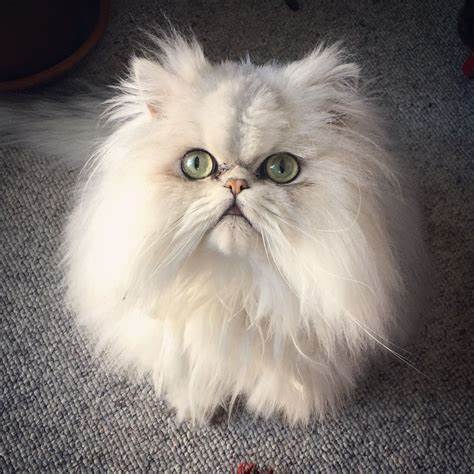
“The moment Luna stepped into the room, her silky coat trailed like a royal robe—and when she flopped into my lap, I swear time paused. Yes, folks, that’s the regal power of Persian cats.”
Persians aren’t just fluffy faces; they’re legendary companions with elegance, grace, and occasional drama. Let’s explore what makes them one of the world’s most beloved breeds.
📜 Breed in Brief
-
Origin: Originated in Persia (modern Iran), introduced to Europe in the 1600s; modern registry since the 19th century. Read more of the origins here: RedditThe Spruce Pets.
-
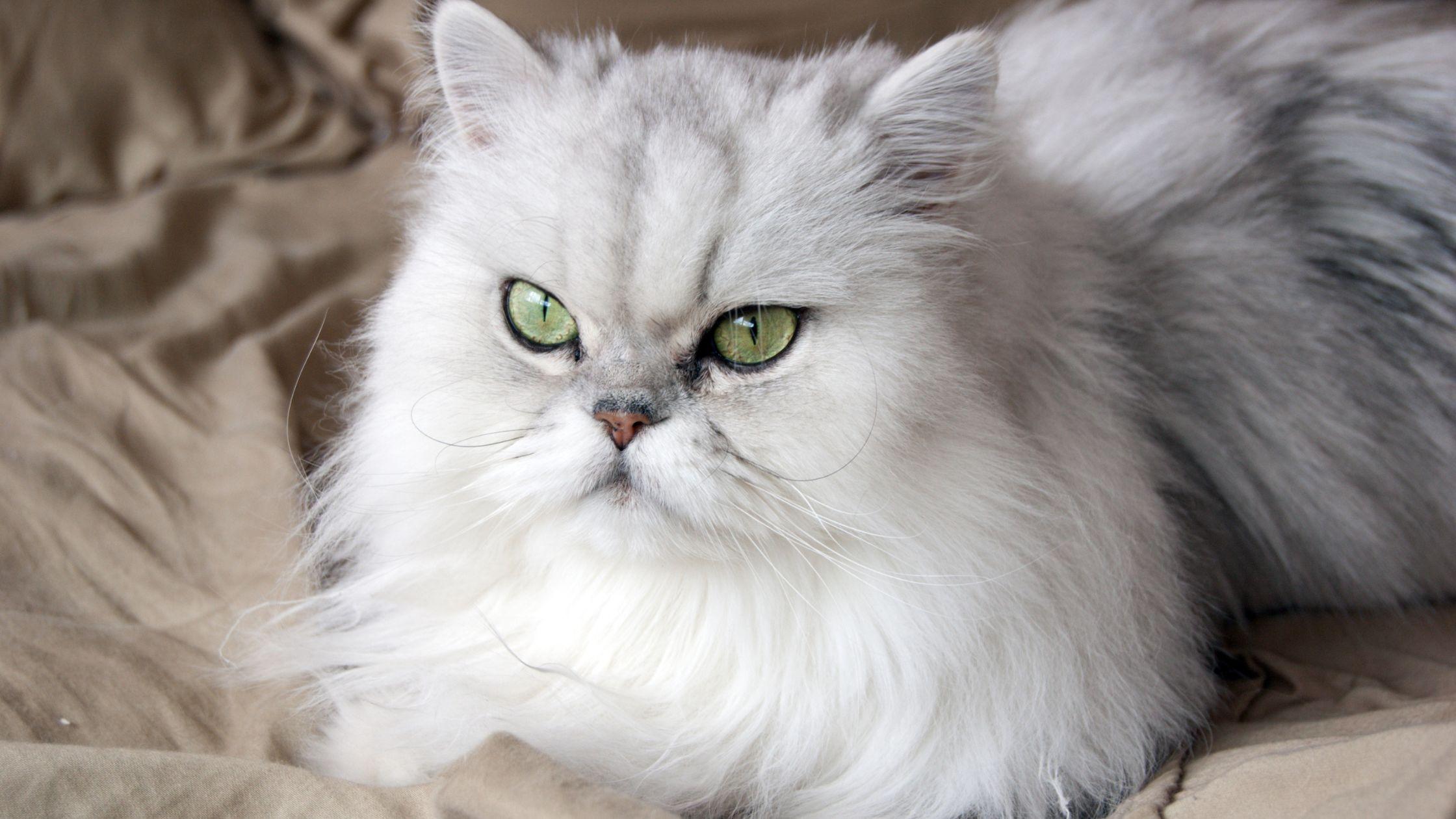
Appearance: Medium–large, round head, big eyes, short muzzle (“flat face”), plus a gorgeous long double coat available in a rainbow of colors — from seal to calico.
-
Lifespan: Typically 12–17 years

😸 Personality & Home Life
-
Lap-Loving Loungers: Calm, sweet, and affectionate—perfect for quiet homes. Expect short bursts of play, followed by long, regal naps.
-
Bonded, Not Bossy: They form strong bonds with their humans but can be shy with strangers.
-
Gentle Vibes: They prefer peaceful, stable environments over noisy chaos.
🧼 Grooming & Maintenance
-
Daily Brushing: Prevents mats and tangles in their thick double coat
-
Eye & Face Care: Flat faces can cause tear staining—gentle daily wiping helps
-
Vet Checks: Essential for dental hygiene and weight management (Persians can be prone to obesity)
⚠️ Health Highlights
Persians are prone to certain genetic and breed-specific conditions:
-
Brachycephaly: Ultra-flat faces can lead to breathing issues, tear drainage problems, and dental misalignment
-
Polycystic Kidney Disease (PKD): Affects many Persians—genetic testing is important
-
Other Concerns: Hypertrophic cardiomyopathy (heart disease), eye disorders, urinary stones
💡 Tip: Opting for a traditional “doll-face” Persian (with a less extreme flat face) can reduce some health risks.
A Royal Veterinary College study found that nearly 65% of Persians had at least one health issue, most commonly coat disorders, dental disease, or eye problems.
Persian cats are undeniably charming, but they do come with unique health considerations. As revealed by a Royal Veterinary College study of over 3,300 Persians, “nearly 65 percent had at least one recorded health condition—most commonly haircoat disorders, dental disease, overgrown nails, or eye discharge.” rvc.ac.uk
✅ Pros & Cons at a Glance
✔️ Pros
-
Regal, gentle lap cats
-
Calm and affectionate companions
-
Wide variety of coat colors
❌ Cons
-
Daily grooming required
-
Higher risk of breed-related health issues
-
Vet screenings strongly recommended
🎀 Fun Facts & History
-
Persians were adored by European royalty and featured in Europe’s first cat show (Crystal Palace, 1871).
-
Available in both show-style (flat-faced) and doll-face (traditional) types.
Check out my post ‘Best cat breeds for seniors🐾
🐾 Luna’s Final Meow
“Human, when you gaze into my big eyes, remember: I’m royalty in fluff. Groom me daily, feed me plenty, and my purr will be your crown.”
🐾 About the Author

Denise Shafto – Cat enthusiast & founder of Whiskernest
Denise shares cozy tips, practical guides, and cat-approved finds to help whiskered friends live their best nine lives. When she’s not writing, she’s usually testing new toys with her own mischievous felines.
🐱 Explore More Cat Breed Guides
Love learning about cats? Check out these other breed spotlights:
- The Magnificent Maine Coon: Gentle Giants of the Cat World
- Siamese Cat Personality Traits & Care Guide
- British Shorthairs: The Teddy Bears of the Cat World
- Exploring the World of Persian Cats
- Ragdolls – The Gentle Giants of the Cat World
✨ More breed guides coming soon… stay tuned!
🐾 WhiskerNest Cat Picks
Our favorite finds for happy, healthy cats — chosen by Snowflake & Twilight! 😺